
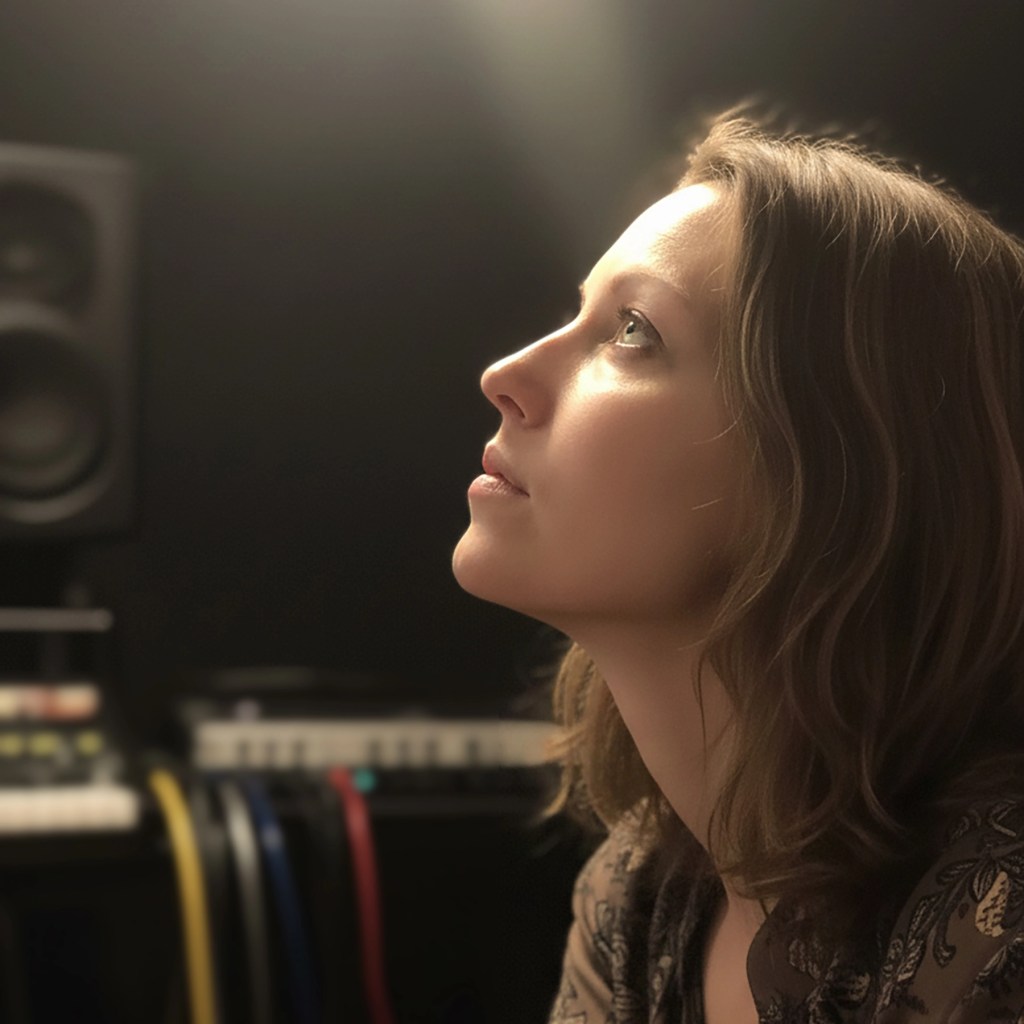
The British pop-rock artist Lana Crow has spent her career writing songs that demand you actually listen, the kind that make you pause mid-commute or turn up the volume when you’re alone in your car. Her debut album “I Will” introduced us to a songwriter who wasn’t afraid to get personal, while “Live It” dug even deeper into what she calls her “sonic diary.”
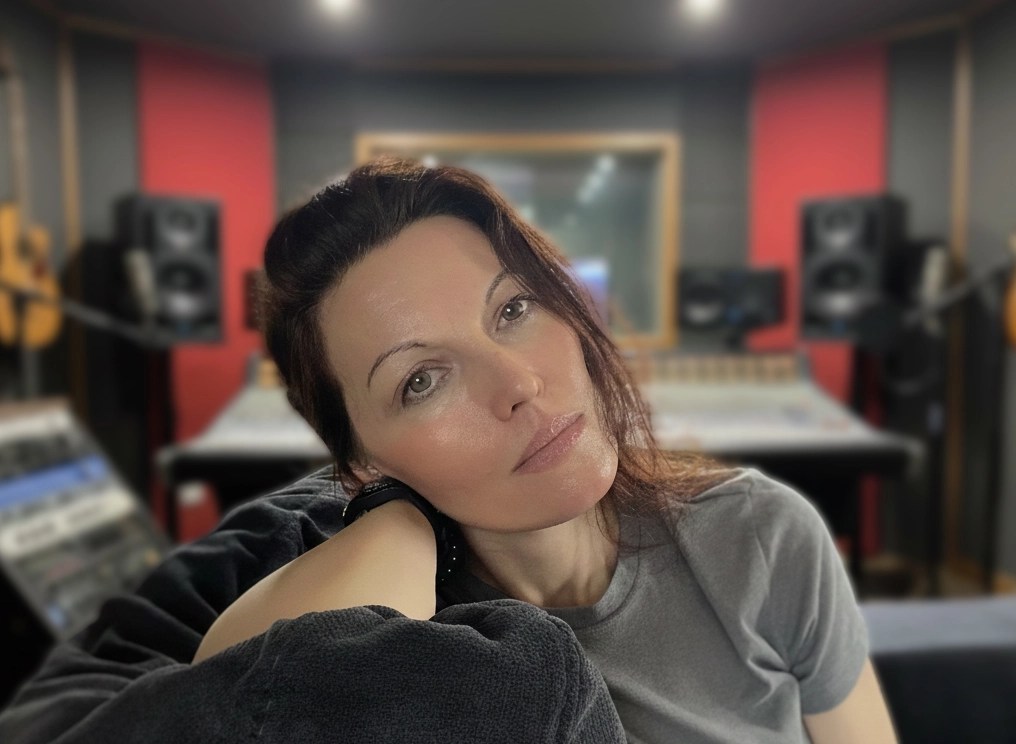
“Between the fear and the light, we find the questions that matter most.”
“What Brings You Back” feels like Crow at her most ambitious. She’s described this track as her attempt to capture what God might sound like if we could actually hear that voice, and whether you’re religious or not, the song works because it taps into something universally human. We’ve all had those moments of doubt when the sky feels darker and the nights feel colder, wondering if we’re going to make it through whatever we’re facing.
“What Brings You Back” is a philosophy wrapped in a lyric, the idea that we’re more connected and more powerful than we think, if we’re willing to see it. This isn’t Crow’s first time exploring these themes. “Orwellian Times” and “I Do” both touched on similar territory, but “What Brings You Back” feels like she’s found her clearest expression yet.
If you’ve been sleeping on Lana Crow, this track is your wake-up call. She’s making the kind of alternative pop that actually has something to say, songs that stick with you long after they’ve ended. Give “What Brings You Back” a listen.
We also had a chance to have an interview with Lana Crow and this is how it went –
1- You’ve described this song as how you imagine God would speak to us. What was the moment or experience that sparked that specific vision?
Answer- I can’t remember the exact moment, but at some point I came to a conclusion that we all enter this life to challenge ourselves. I think of humans as these perfect, Godly beings placed into a realm of limitation and doctrine. Every one of us is born into a certain society by choice. There’s no perfect society, but some are more messed up than others—just like some parents are more messed up than others. The point is, nobody really knows how each of us will turn out. Yes, we’re mostly stripped of our choices as kids, but as we grow up, it really becomes up to us—and it’s never guaranteed that we’ll choose one path over another.
So basically, in the chorus, all these questions God asks—”What makes you laugh? What makes you sad?”—the answers would be different for everyone. I mean, in some societies, killing people is celebrated, and associating murder with joy is perfectly acceptable. But I’ve seen people come out of those very societies as fighters, speaking against the indoctrination they grew up with. And that change of mindset is extremely hard to achieve—so like I said, nothing is guaranteed. Anyone who grows up in a really tough environment and still emerges as a celebrator of life — that’s a massive win.
2- You mention being told years ago about this concept of intelligence existing both beyond us and within us. How has that idea shaped not just this song, but your approach to songwriting in general?
Answer- That idea—of intelligence existing both beyond us (like a greater divine or universal force) and within us (our own thoughts and emotions)—has played a huge role in my songwriting. I try to convey this message in all of my songs: that we are active participants in creation. Our thoughts and emotions have more impact than we realize, and they shape the world we live in.
3- Were you nervous about releasing a song with such overt spiritual themes? How do you hope listeners of different beliefs will connect with it?
Answer- Not at all. I’m not pursuing validation. Some people will like it, and some will not. I don’t expect everyone to connect with this song, but those who do may find it comforting to be reminded that they’re never alone.
4- What do you hope someone struggling with their own darkness takes away from this song?
Answer- We all go through dark spells; that’s just how the realm we live in works. What would help everyone involved, though, is if people stopped being so afraid to admit their mistakes. The truth is, even if you’ve done something terribly wrong, others will forgive you quicker than you will ever forgive yourself—if you simply admit it. Taking responsibility sounds scary, but it’s the most liberating exercise in the world. When you keep shifting blame for everything you’ve done wrong and drown in victimhood, you’re fighting an undefeatable beast. Nobody wronged you—and neither did you ever wrong yourself. You’re simply on a journey to get to know yourself. And the closer you get to truly knowing yourself—with all your perceived flaws—the deeper connections you’ll build with others, and life becomes much easier.
5- If you could ask yourself the chorus questions: what brings you back, what brings you joy, how would you answer them today?
Answer- To “What brings you back,” I’d answer: noticing when I’ve lost my sense of gratitude. Life flows so much more smoothly when I feel grateful and when I allow myself quiet moments, however busy it gets. The moment gratitude slips, I feel off-balance—that’s my signal to rebalance myself.
“What brings you joy” is easy. It’s those little daily luxuries: a good night’s sleep, time with my family, and the knowledge that I might be adding something positive to the world, however small.
 Muse Chronicle
Leave a comment